outubro 03, 2010

B. Inst. Pesca, São Paulo, 35(4): 587 - 596, 2009

REPRODUÇÃO DO “CICLÍDEO-ANÃO AMAZÔNICO”, Apistogramma cacatuoides, HOEDEMAN, 1951 (PERCIFORMES: CICHLIDAE) EM LABORATÓRIO.

(REPRODUCTION OF THE “AMAZONIC DWARF-CICHLID”, Apistogramma cacatuoides, HOEDEMAN, 1951 (PERCIFORMES: CICHLIDAE) IN LABORATORY.)

FCM, ALVES; NET, ROJAS & E ROMAGOSA

Apistogramma cacatuoides pertence à família Cichlidae, é nativo da Bacia Amazônica e atualmente explorado pela pesca extrativista. Devido ao padrão de coloração do macho, é uma espécie bem valorizada como peixe ornamental. O experimento foi realizado no laboratório do Instituto de Pesca - APTA/SAA/SP. Inicialmente 12 casais foram mantidos individualmente em aquários (Fase 1). Procurou-se caracterizar aspectos sobre a reprodução relativos a: 1) idade da primeira desova; 2) número de posturas de ovos; 3) número de ovos liberados; 4) sobrevivência das larvas com 15 dias de vida e 5) proporção entre os sexos. As posturas foram realizadas em abrigos, onde a fêmea cuidava dos ovos e larvas até se estas se tornarem livre natantes. As larvas, com 15 dias de vida, foram separadas dos pais, transferidas para outros aquários (Fase 2) e mantidas até a fase juvenil para se verificar a proporção entre os sexos e a taxa de sobrevivência. A temperatura, pH, condutividade, alcalinidade, cálcio e oxigênio dissolvido da água dos aquários dos reprodutores foram monitorados. A primeira desova ocorreu, em média, com 214,7 ± 30,6 dias de vida; as fêmeas realizaram entre 1 e 12 posturas, liberando de 95 a 1410 ovos durante 36 meses de experimento. Após 15 dias de vida, a taxa de sobrevivência média das larvas foi de 34% e a proporção entre os sexos dos juvenis foi de 1,6 fêmea: 1 macho. A piscicultura de A. cacatuoides em cativeiro é viável e, pode propiciar a diminuição da pressão da captura dos estoques naturais, protegendo esta espécie endêmica em seu habitat natural.

Apistogramma cacatuoides belongs to the Cichlidae family, is native to the Amazon Basin and currently explored by extractive fishing. Due to male coloration standard, it is considered a valued specie as ornamental fish. The experiment was conducted in the laboratory of the Instituto de Pesca - APTA/SAA/SP. Initially 12 couples were kept individually in aquariums (Phase 1). We sought to characterize aspects of reproduction: 1) age of first spawning, 2) number of spawnings per female, 3) number of eggs released, 4) survival of the larvae within 15 days of life and 5) proportion between the sexes. The positions were in shelters where the female care for eggs and larvae until they become free swimming. Larvae with 15 days of life were separated from their parents, transferred to other aquariums (Phase 2) in which they were kept until the juvenile stage to ascertain the proportion between the sexes and survival rate. Water parameters as, pH, conductivity, alkalinity, calcium and oxygen dissolved were measured in the aquariums of the reproducers. The first spawning was, on average, with 214.7 ± 30.6 days, the females performed between 1 and 12 positions, releasing 95 to 1410 eggs. After 15 days, the average survival rate of larvae was 34% and the proportion between the sexes of juveniles was 1.6 female: 1 male. The fish culture of A. cacatuoides in captivity is viable and may provide an effective decrease of natural resources captures, protecting the endemic species in their natural habitat.

setembro 15, 2010

E o ciclo da vida continua . . .


Oceanário de Lisboa
Morreu o peixe-lua do Oceanário de Lisboa
O peixe-lua, uma das mascotes do Oceanário morreu deixando o aquário um pouco mais 'vazio'. Fonte do Oceanário de Lisboa declaram que a morte do peixe-lua foi um fenómeno natural, «os nascimentos, a reprodução e a morte são processos naturais que fazem parte do dia-a-dia do aquário»


Até ao final do ano, no entanto, o Oceanário espera receber um novo espécime que certamente fará as delícias de miúdos e graúdos.
O exemplar que se encontrava no Oceanário desde 2005 é o maior peixe ósseo do mundo e pode atingir os 3 metros de comprimento, chegando a pesar duas toneladas.
De nome científico Mola mola, esta criatura marinha de ar dócil desliza à tona da água enquanto se deixa levar pela corrente. Destaca-se pela impressionante quantidade de parasitas que transporta, cerca de 50 espécies diferentes fazem do peixe-lua a sua casa.
Devido aos seus movimentos que são bastante lentos e ao seu tamanho, estes peixes são fácil e frequentemente capturados, o que contribui para o declínio da espécie
.

setembro 13, 2010

Você já imaginou visitar um Aquário onde os peixes estão congelados??

September 12th, 2010 (http://www.toxel.com)
Frozen Aquarium in Japan
Unique ice Aquarium in Kesennuma, Japan features over 450 specimens of marine life preserved in lifelike poses and illuminated with blue light. Octopuses, crabs, and different kinds of fish appear to be swimming in ice. All visitors are required to wear protective suits because the tem perature inside the aquarium is set to minus 20 degrees Celsius (-5F).

Marine life frozen in time at Japan's Ice Aquarium
Turn on the TV in Japan and you're bound to see someone slicing up a tuna on a cooking show while commentators ooh and aah. It's no wonder, then, that during the current heat wave frying Tokyo, people are heading north for chills and eye candy in the form of giant fish popsicles.
The Kori no Suizokukan (Ice Aquarium) in Kesennuma, northeastern Japan, packs about 450 specimens of marine life frozen in large columns of ice bathed in blue light. Some 80 species, including saury, octopuses, crabs, and skipjack, are preserved in lifelike poses. They seem to be swimming in ice.
Opened in 2002 in the Uminoichi seafood market, the Ice Aquarium uses flash-freezing technology to preserve fresh fish unloaded in Kesennuma's port on the Pacific Ocean. Inside, the ambient air is a cool minus 5 degrees F (minus 20 C), and guests have to don parkas to keep warm. There's also a hunk of Antarctic ice on display.
Fish aren't the only thing put on ice in Kesennuma. Local refrigeration firm Okamoto Seihyo specializes in what it calls "ice art" and can freeze everything from salmon to bottles of sake and action figures to flowers--a Mother's Day bouquet goes for about $46. These are all presented in cylinders of ice that are given as gifts. If you're the receiver, you'll need plenty of patience.


(Enviada por Reni Puls)

setembro 12, 2010

Espécie recém-descoberta


Artigo publicado na revista Zootaxa, por Indraneil Das, do Instituto de Biodiversidade e Conservação da Universidade Malaysia Sarawak, e Alexander Haas, da Alemanha, descreve a descoberta de uma minúscula rã (foto) batizada como Microhyla nepenthicola, com base no nome da planta em que vive. As minúsculas rãs (machos adultos da espécie têm de 10,6 a 12,8 milímetros) foram encontradas na beira de uma estrada que leva ao pico da montanha Gunung Serapi, no Parque Nacional de  Kubah, no estado de Sarawak da Malásia. (fonte - ( www.maternatura.org.br)

setembro 11, 2010

"Extinção em Contagem Regressiva"

Deepwater doom: Extinction threat for world's smallest sea horse

Sep 8, 2010 03:15 PM
By John Platt


The Gulf of Mexico oil spill this year and subsequent cleanup efforts could drive the world's smallest sea horse into extinction, warns the Zoological Society of London and its marine conservation organization Project Seahorse.                         
The tiny dwarf sea horse (Hippocampus zosterae), which grows to a maximum length of 2.5 centimeters, can be found only in the ocean waters off the Gulf Coast. 


"All of the sea horse populations in the area will be affected, but the dwarf sea horse is at greatest risk of extinction because much of its habitat has been devastated by the spill," Project Seahorse director Amanda Vincent said in a prepared statement.

According to Project Seahorse, the dwarf sea horse is particularly vulnerable due to its small size, limited habitat, inability to migrate great distances, and low birth rate. The fish also mate for life, so the loss of even one breeding parent is doubly dangerous to the species' long-term reproductive health. The Deepwater oil spill occurred during the sea horses' primary breeding time.

Another problem is that the dwarf sea horse, unlike its cousin sea horse species, often lives close to the ocean surface in floating mats of sea grass. Not only did spilled oil accumulate in these mats, BP burned many of them to prevent them from carrying oil onto the shore. According to Project Seahorse's press release, "The burning of the mats has killed many marine animals while depriving others of their habitat and exposing them to further toxicity. Sea grass is vital to the long-term health of coastal ecosystems, sheltering marine animals, acting as fish nurseries, improving water quality and preventing erosion."

Meanwhile, Project Seahorse experts also express fear that the dispersants used to treat the oil spill will add further toxicity to the dwarf sea horse's habitat.

Project Seahorse is calling on BP to use booms and skimming to remove the remaining oil in the Gulf. The method is more labor-intensive, but the group says it will cause less environmental damage to the species in the region.

Dwarf sea horses, also known as "pixies," are pricey acquisitions for aquarium enthusiasts. One site, Seahorse.com, has them listed for $75 each and warns customers that they are "very delicate" and "for experts only."

setembro 06, 2010

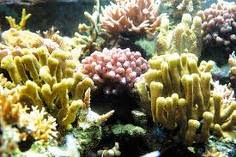
Corais: porque estão desaparecendo ??


Recifes de coral e suas ameaças
Susana Ribeiro (fonte Naturlink)

Os recifes de coral são muito susceptíveis à perturbação natural e humana, mas são a extensão e diversidade dos impactes resultantes das actividades humanas os responsáveis pela situação vulnerável em que estes sistemas se encontram.

Os ecossistemas de recifes de coral são muito sensíveis aos impactos externos que violem a sua homeostasia, sejam eles naturais ou causados pelo homem. Nos últimos 30 anos, eventos catastróficos, como terramotos, o aquecimento da água provocado pelo “El Niño”, as pragas de estrelas-do-mar (Acanthaster planci), assim como diversas causas de stress provocadas pelo homem, afectaram os sistemas coralinos, resultando na sua destruição em áreas muito vastas. De todos estes factores alguns merecem destaque:
     - Destruição dos corais por stress físico: entre os fatores de stress físico que prejudicam os corais, podemos mencionar a ação das ondas e a redução da salinidade, a exposição ao ar e o sobreaquecimento. Muitas vezes estes acontecimentos estão relacionados com a passagem de ciclones que são acompanhados por fortes chuvas, causando a diminuição da salinidade e a sedimentação dos recifes. Cobertos por sedimento, os corais morrem em 3 - 4 dias. A passagem de um ciclone de força média destrói 50 a 80% dos corais nas zonas superiores do recife. Estes ciclones ocorrem uma ou duas vezes em cada século (Maragos et al., 1973 in Sorokin, 1993).
     - Acanthaster planci: estrela-do-mar coroa-de-espinhos, destrói os corais ao alimentar-se deles. Distribui-se pela região do Indo–Pacífico, incluindo o Mar Vermelho, estando, no entanto, ausente do Atlântico. A sua predação teve um impacto na Grande Barreira de Coral quando, em 1960, os recifes perto de Cairns (latitude 17ºS) ficaram infestados. Desde então e até 1984, estes equinodermes causaram a destruição de grande parte dos corais desta barreira.
De acordo com alguns autores (Endeon & Cameron in Nybakken, 1988), a explicação mais provável para estas explosões de Acanthaster planci é o fato do homem sobre explorar seus predadores, entre os quais a Charonia tritonis (Pepino-do-Pacífico). Uma outra teoria (Birkeland, 1982 in Nybakken, 1988) sugere que o recrutamento juvenil desta estrela-do-mar é estimulado pela combinação de baixa salinidade, elevada concentração de nutrientes e alta temperatura. Segundo esta hipótese, a ocorrência de um ano com precipitação elevada, juntamente com a destruição humana da vegetação nativa nas áreas terrestres adjacentes, leva a um aumento do “runoff” (águas da chuva transportadas pelos rios), o que causa o bloom de fitoplâncton, que por sua vez servirá de alimento às larvas de Acanthaster planci.